 Search
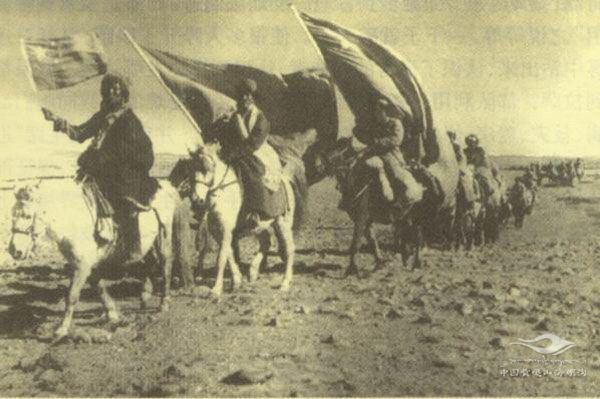
The Long March, as the most magnificent chapter of the Chinese revolution, holds a significant position in the history of the Republic's growth. The Long March of the Red Army passed through 16 counties in Garze Prefecture, setting records for the longest duration of stay, the widest range of activities, the greatest contribution of Tibetan people to support the Red Army, the most remnants of the Red Army, and the most revolutionary cultural relics and relics left behind. The first ethnic revolutionary armed force of the Red Army, the Red Army Tibetan Independent Division, was established in the Garze Tibetan area, and the first regional level Soviet government of the Tibetan people, the Soviet Boba Government, was established. During the year and a half when the Red Army stayed in Ganzi, the Tibetan people supported the Red Army and wrote a large number of inspiring historical chapters: the Red Second and Sixth Army Corps and the Red Fourth Army successfully met in Ganzi, Geda Living Buddha established a deep friendship with Commander in Chief Zhu De, and 22 brave warriors flew to Luding Bridge, writing a magnificent poem of China's historical destiny with their lives. Ganzi Prefecture made an indelible contribution to the Red Army's Long March and opened a new chapter in the Chinese revolution. After the liberation, the 18th Army entered Tibet to excavate rocks and walls, and built the world-famous Sichuan Tibet Highway, building a "golden bridge" for the Tibetan people to reach happiness.